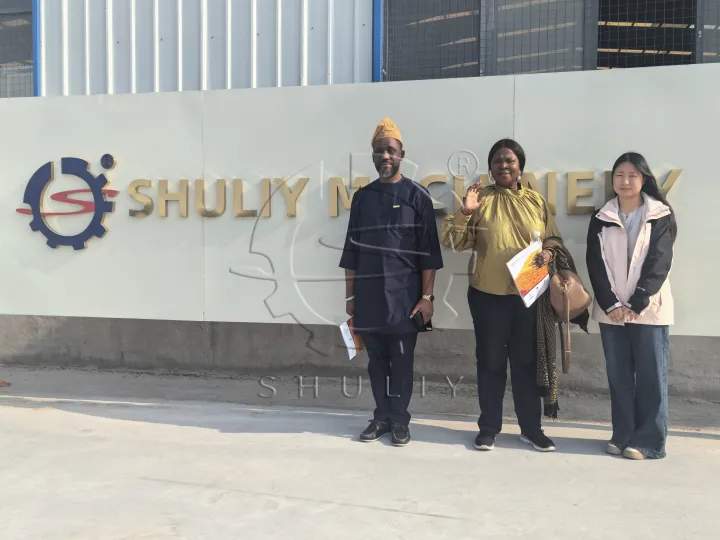
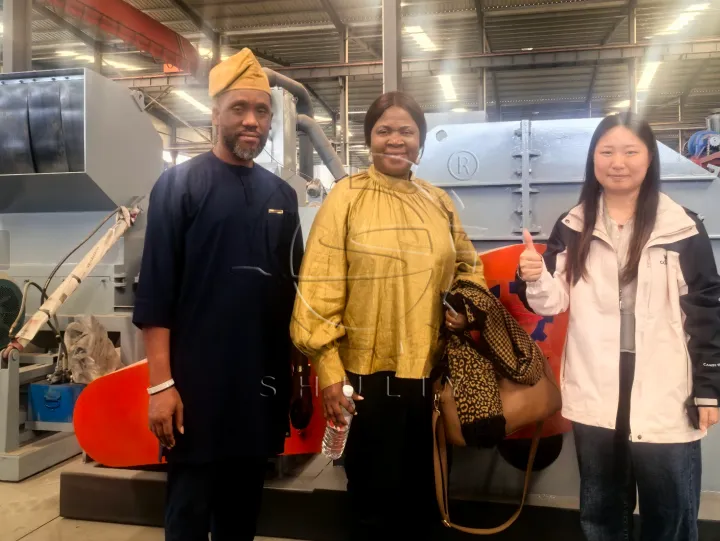
Last week, we welcomed two lead procurement managers from a prominent plastic recycling facility in Lagos, Nigeria, to our production base in Zhengzhou. Their objective was clear: to move beyond theoretical specifications and verify the structural integrity of the machinery required to scale their operations. For these investors, selecting a reliable plastic recycling machine manufacturer China is not just about price—it is about ensuring the equipment can survive the unique thermal and electrical realities of the Nigerian industrial sector.
After a warm welcome and a shared local meal to discuss the specific challenges of their Lagos plant, we headed straight to our heavy-duty assembly workshop.
The Engineering Visit: Stress-Testing the Hardware
When evaluating a PET bottle washing line in Nigeria, plant managers must prioritize structural mass. Nigerian operational conditions often involve high-ambient heat and varying power grid stability, which punish under-engineered equipment.
During the visit, our Nigerian partners focused on three critical areas of our خط إعادة تدوير زجاجات PET:
Crushing Chamber Rigidity: They performed a hands-on inspection of our 120-type crusher. We demonstrated the 30mm thick solid-steel box frame and heavy 40mm blade holders. Unlike lighter machinery that flexes under the weight of compacted PET bales, our rigid design keeps the PET plastic crusher rotor perfectly centered, preventing blade chatter and motor strain.
Thermal Management in Hot Washers: The clients raised concerns regarding the removal of stubborn heat-melt adhesives from imported beverage bottles. We showcased the dual-tank configuration of our plastic washing machine, which maintains the critical 85-95°C range required to saponify these adhesives, a process often underestimated by local competitors.
Mechanical Load Distribution: We reviewed the layout of our horizontal centrifugal dryer. By showing them the dual-end heavy-duty bearings, we explained how a horizontal layout—as opposed to a vertical one—distributes the mechanical load evenly, which is vital for preventing bearing failure in a high-temperature production environment.
Closing the Deal: Stability Through Partnership
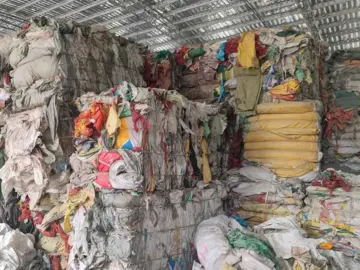
The inspection concluded with a full-load wet trial run using heavy-duty, dirty raw material similar to what they process in their own facility. Watching the system process real-world contamination—not just clean laboratory samples—was the final proof they needed.
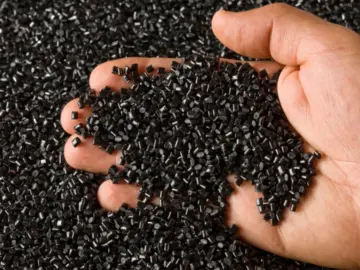
For Shuliy Machinery, this visit was a reminder that African recycling markets are maturing rapidly. Investors are no longer looking for entry-level machines; they are looking for industrial-grade assets that can produce fiber-grade rPET flakes consistently. We are currently finalizing the technical logistics for their installation in Lagos, and we look forward to seeing their plant become a benchmark for high-purity flake production in West Africa.
If you are planning to commission a washing project in Nigeria, we invite you to our factory to see the hardware performance firsthand. Reach out to our engineering team to discuss your capacity requirements and regional infrastructure needs.